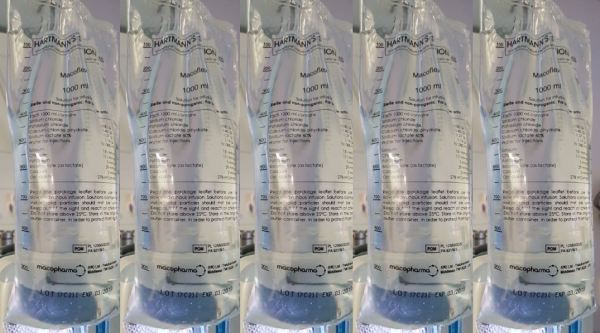
Myles. NEJM 2018. June 14 2018. Vol 374. No. 24 Aim of study To determine whether, in adult patients undergoing major elective abdominal surgery, a restrictive fluid regimen compared with a liberal fluid regimen reduces complications and improves disability-free survival at 1 year. Design (And Location) International, randomised controlled trial 47 centres in 7 countries... Continue Reading →
Anaesthetic Depth and Delirium After Major Surgery – A Randomised Clinical Trial
Evered LA, Chan MTV, Ha et al. (2021) British Journal of Anaesthesia, 127(5), pp. 704–712.
Meta-Analysis Comparing Catheter-Directed Thrombolysis Versus Systemic Anticoagulation Alone for Submassive Pulmonary Embolism.
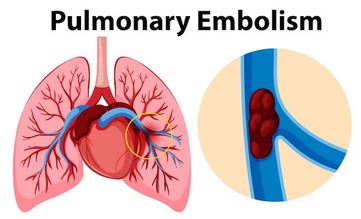
Ismayl M, Machanahalli Balakrishna A, Aboeata A, Gupta T, Young MN, Altin SE, Aronow HD, Goldsweig AM. Am J Cardiol. 2022 Sep 1;178:154-162. doi: 10.1016/j.amjcard.2022.06.004. Epub 2022 Jun 29. PMID: 35778309. Aim of Study Assess evidence for mortality benefit of catheter directed thrombolysis (CDT) vs systemic anticoagulation in submassive pulmonary embolism (sPE) Design Meta-analysis Methodology... Continue Reading →
Hypnosis as an alternative to general anaesthesia for paediatric superficial surgery: a randomised controlled trial
Sola C, Devigne J, Bringuier S, el al. British Journal of Anaesthesia 2023, 132 (3) 314-21. https://doi.org/10.1016/j.bja.2022.11.023
Apnoeic oxygenation in morbid obesity: a randomised controlled trial comparing facemask and high-flow nasal oxygen delivery
British Journal of Anaesthesia (2023), 130 (1): 103-110 John Schutzer-Weissmann, Thomas Wojcikiewicz et al
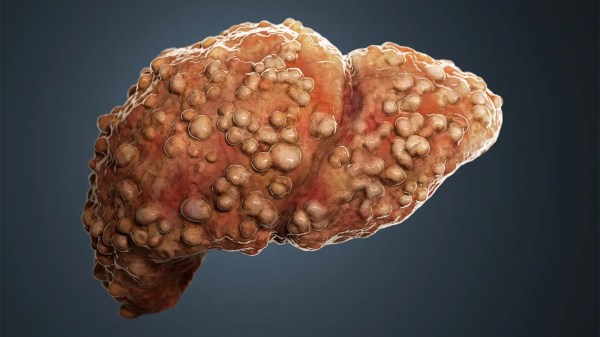
Thromboelastography-guided Blood Product Transfusion in Cirrhosis Patients with Variceal Bleeding. A Randomised Controlled Trial.
Journal of Clinical Gastroenterology. 2020. 54 (3): 255-262.
Rout G, Gunjan D, Mahapatra S et al.
Viscoelastic haemostatic assay augmented protocols for major trauma haemorrhage (ITACTIC): a randomized, controlled trial
K. Baksaas‑Aasen, LS Gall, J Stensballe et al. Intensive Care Med (2021) 47:49–59 AIM OF STUDY To investigate the impact of TEG-guided resuscitation protocol on outcomes in traumatic haemorrhage DESIGN (& LOCATION) Randomised controlled trial, multi-centre (international) METHODOLOGY Patients with traumatic haemorrhage requiring empirical initiation of major haemorrhage protocol. Randomised to blood product management guided by either TEG or conventional coagulation studies. PRIMARY OUTCOME Survival free of massive transfusion (≥10 RBCs) @ 24h SECONDARY OUTCOMES Survival @ 6h, 24h, 28/7, 90/7 Total products Ventilator-free & ICU-free days at 28/7 LoS ICU/hospital % with thromboembotic events, MOF, any adverse event STATISTICS Logistic regression Intention to treat analysis RESULTS No significant difference in primary outcome between groups 67% vs 64% - OR 1.15 (0.76-1.73) No significant differences in any secondary outcome CONCLUSIONS/DISCUSSION Unexpectedly low rates of coagulopathy – accounting for negative result? No difference in management/blood product use between groups as a result of different investigations – so perhaps unsuprising no difference in outcomes STATED LIMITATIONS FROM STUDY Population was trauma haemorrhage, cf obstetric/medical Study in MTCs already used to delivering balanced transfusion – potential for greater impact in non-trauma centres? DISCUSSION FROM JOURNAL CLUB MEETING (? Change of practice) Usefulness of TEG context-dependent e.g. time to availability of blood products. At Kingston hospital, a key factor is the potential usefulness of TEG as additional evidence to facilitate release/authorisation of blood products by our Haematology colleagues. Summary by Dr P Vila de Mucha. Journal Club Meeting on 23 January 2023
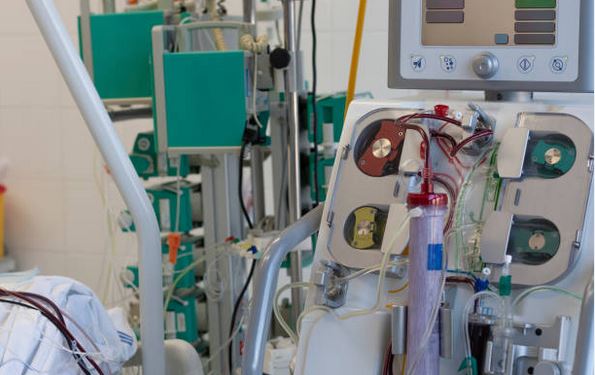
STandard versus Accelerated Initiation of Renal Replacement Therapy in Acute Kidney Injury trial) – STARRT-AKI
Fernando G. Zampieri FG, da Costa BR, Vaara ST et al.
Critical Care (2022) 26: 255. https://doi.org/10.1186/s13054-022-04120-y
Prognostic significance of delirium subtypes in critically ill medical and surgical patients: a secondary analysis of a prospective multicenter study.
Smit L, Wiegers EJA, Trogric Z et al
Journal of Intensive Care (2022) 10:54 https://doi.org/10.1186/s40560-022-00644-1
Effects of a high-dose 24-h infusion of tranexamic acid on death and thromboembolic events in patients with acute gastrointestinal bleeding (HALT-IT): an international randomised, double-blind, placebo-controlled trial
The HALT-IT Trial Collaborators
Lancet 2020, 395: 1927–36